
Learn to grow your own ingredients
I’m not a professional gardener or an agriculture expert, but I’m really passionate about growing my own ingredients for my recipes in my backyard. Let’s explore the dos and don’ts, the keys to a successful harvest, and some common pitfalls of DIY gardening for your family meals.
As I’m just getting started myself, I’ve gathered some great tips and resources to help you plan your own gardening journey.
Great tips building your garden

Design your garden space
To start a do-it-yourself garden, pick a sunny spot that gets six to eight hours of direct sun daily, keep your first plot small (like a 4x4 foot raised bed or a few pots), and fill it with good compost and soil near a water source.
To learn more: I learned a lot of great beginning steps from watching this video from Organic Backyard Gardening Channel
How often should I water
Water your garden deeply one to two times per week rather than giving it a light sprinkle every day, aiming for about 1 inch of water total per week from rain or your hose.
Check the Soil Moisture
- Finger Test: Push your index finger 2 inches into the soil.
- Dry Soil: If the dirt feels dry at your fingertip, it is time to water.
- Wet Soil: If it feels damp and sticks to your skin, wait a day or two.
Water the Right Way
- Water Deeply: Soak the ground thoroughly so water reaches deep roots.
- Aim Low: Pour water directly at the base of the plant onto the soil.
- Keep Leaves Dry: Wet leaves can cause diseases and mold to grow.
- Morning Best: Water early in the day to stop evaporation from the sun.
When to plant things
Check where you live for when you should plant your garden. There is Spring planting (warm-season) for things like tomatoes, peppers, cucumbers, squash, green beans and corn. The night temperatures should stay above 50*F before setting out tender seedlings.
Later Winter/Early Spring (cool-season) lettuce, spinach, kale, radishes, broccoli and peas can be planted. These plants tolerate light frosts and perfer the intense summer heat.
Fall Planting (Second Harvest)
August - September is perfect for a second round of cool-season greens, carrots and broccoli for autumn harvesting.
As I mentioned before, you need to check your area for accurate planting dates.
Choose the right spot
- Sunlight: Watch your yard to find the place with the most direct sun.
- Water: Pick a spot close to a hose or tap so watering is easy.
- Start Small: Do not dig up your whole yard. A small 4x4 or 4x8 foot bed is easy to care for and keeps work fun.
Prepare the soil
- Raised Beds: Build or buy a simple raised frame and fill it with rich organic compost and quality topsoil.
- In-Ground: Clear away grass and weeds, then mix a thick layer of compost into your native dirt.
- Good Dirt: Healthy soil feeds your plants and holds water so roots stay strong.
Start our easy
- Beginner Crops: Try easy food plants like lettuce, radishes, green beans, zucchini, or cherry tomatoes.
- Flowers: Add marigolds or sweet alyssum to bring in helpful bugs and stop pests.
- Starts vs. Seeds: Buy young starter plants (seedlings) from a local nursery for your first try. It is faster and easier than growing from seed.
Success and failures with my first garden
Here is what you should expect based on my experience.
Your first garden teaches you that nature moves at its own pace. While initial triumphs like a surprise harvest bring immense joy, mistakes like over watering or pests provide the best lessons for growth.
Sweet Successes
- The First Harvest: Eating homegrown food offers an unmatched, rewarding flavor.
- Resilient Survivors: Easy starter plants like herbs or cherry tomatoes often thrive despite beginner errors.
- Mental Health: Tending to living soil and plants acts as a natural, peaceful therapy.
Common Failures
- Overwatering & Root Rot: Drowning roots with too much kindness suffocates the plants.
- Pest Surprises: Overlooking bugs until insects or disease completely overtake the crop.
- Impatient Timing: Planting tender seedlings too early before the final frost wrecks the delicate leaves.



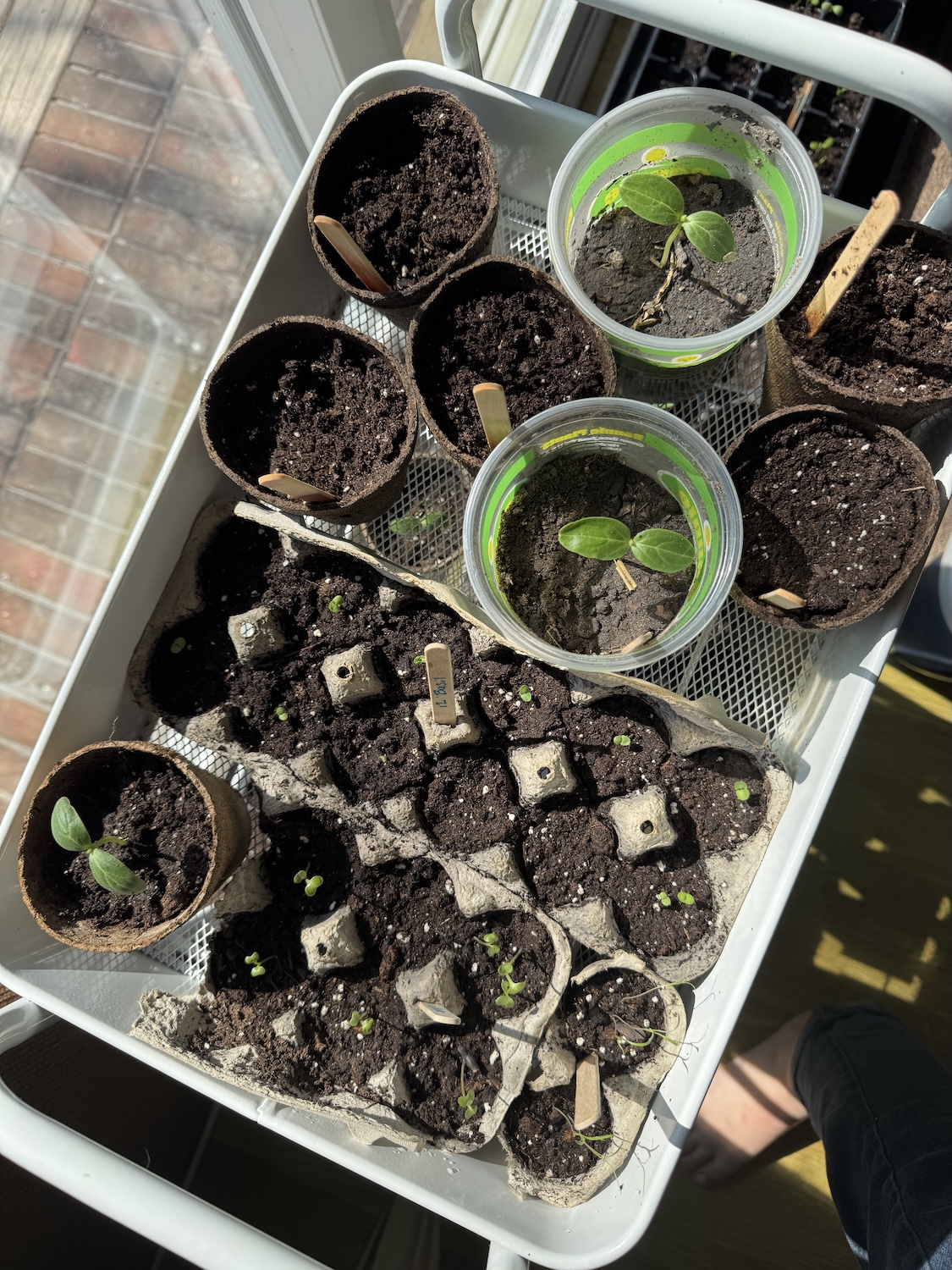
How to Germinate Seeds
Gardening doesn’t have to be complicated. Learn how to germinate seeds with simple steps and create a beautiful garden that will produce delicious fruits and veggies all summer.


Farm to Table
Some of the real reasons that I want to grow my own ingredients or at least shop for the best organic choices:

- Higher nutrition: Crops harvested at peak ripeness retain more vitamins, minerals, and antioxidants than produce shipped over long distances.
- Better taste: Local food is picked ripe rather than artificially ripened in transit, offering a much richer flavor.
- Fewer additives: Minimally processed local foods contain fewer artificial preservatives, waxes, or chemical treatments.